Miami changes. Some places shouldn’t.
- In 1908, Miami was still becoming itself.
- The city was young. The river was central. Wooden houses stood where towers would eventually rise.
- Four of those houses are still here.
From the record
“The City’s oldest extant grouping of frame vernacular buildings in such close proximity to the Miami River.”
You will often hear that this is Miami’s oldest hotel. It may well be the longest-running. But the record says something more specific, so that is what we quote.
From the archive
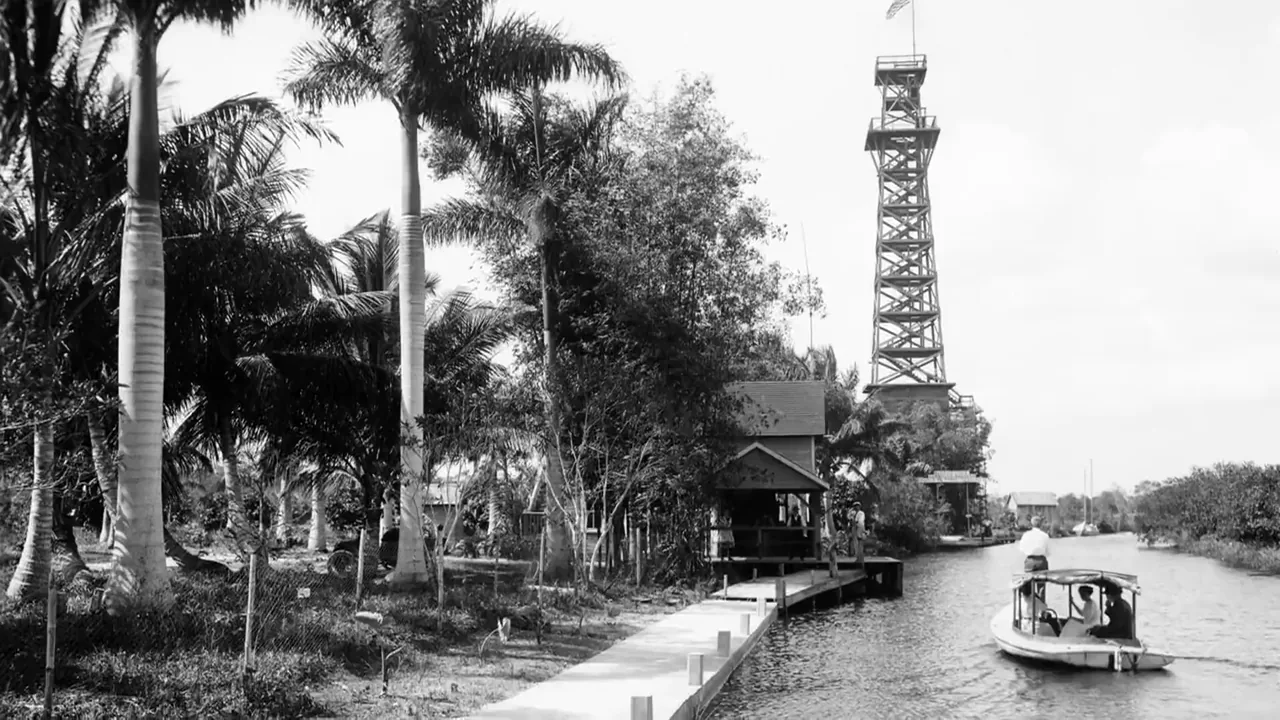
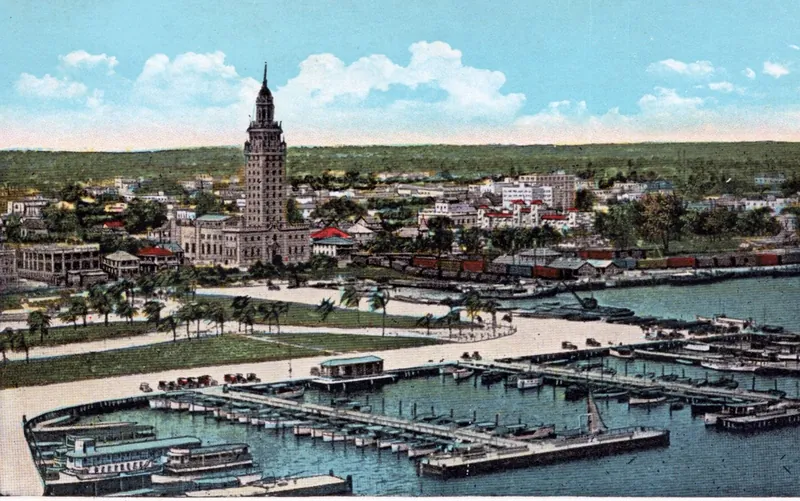
Before the towers, there was the river.
Postcards and photographs of the young city around the houses. The famous names stayed at the Royal Palm, across the water. Everyone else found a room on this side of the river.
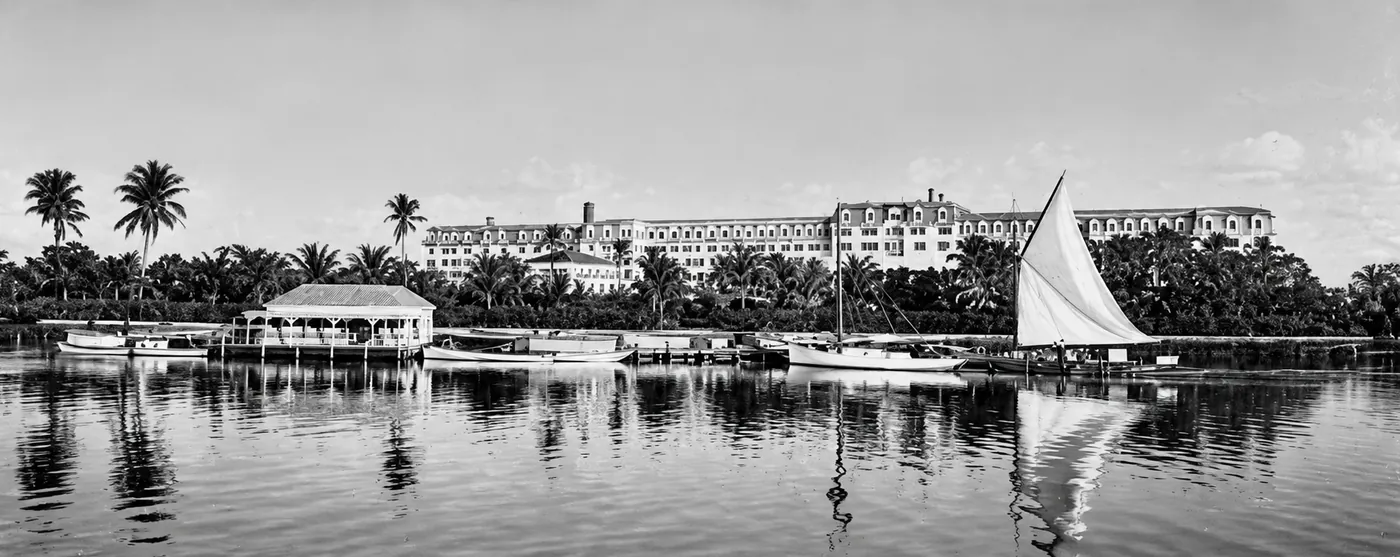
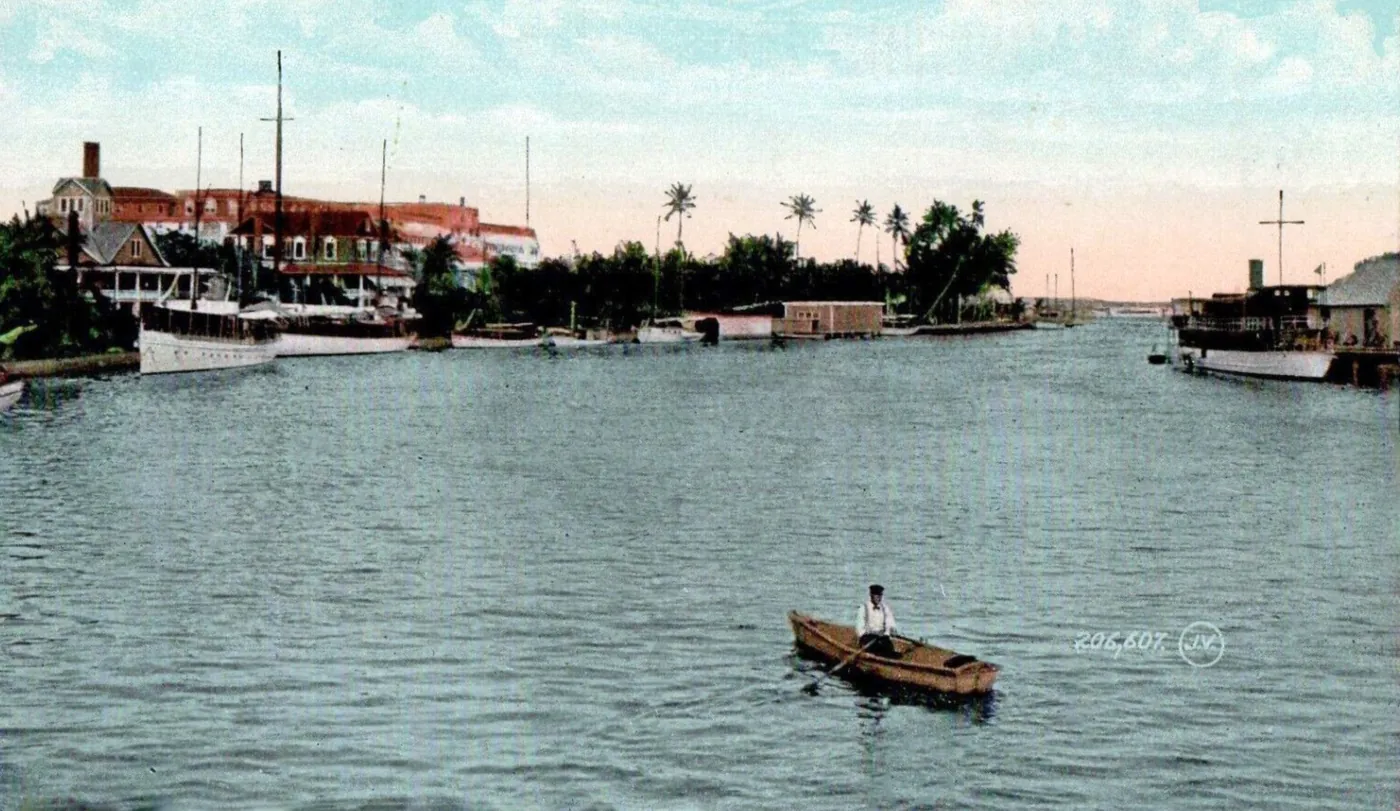
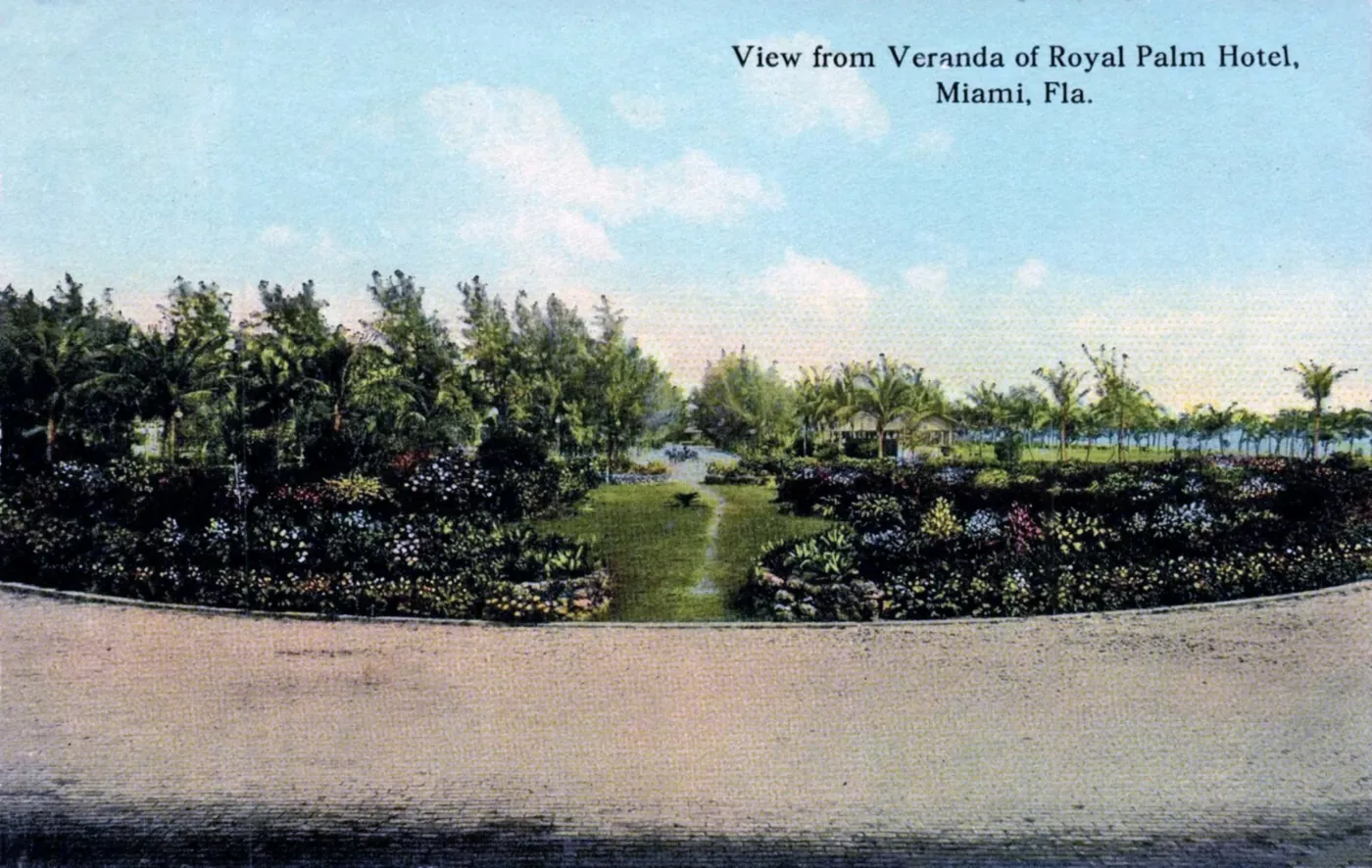
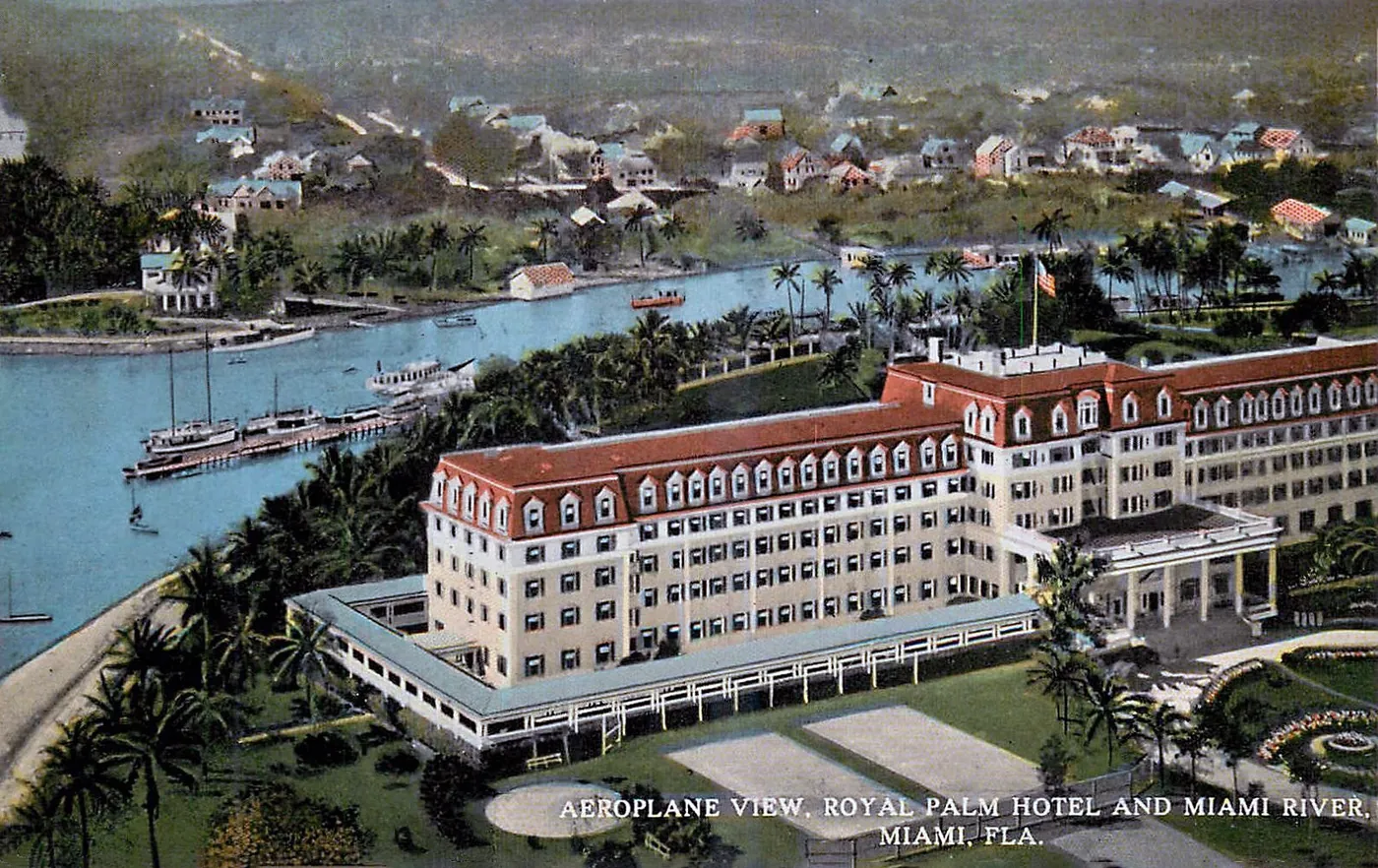
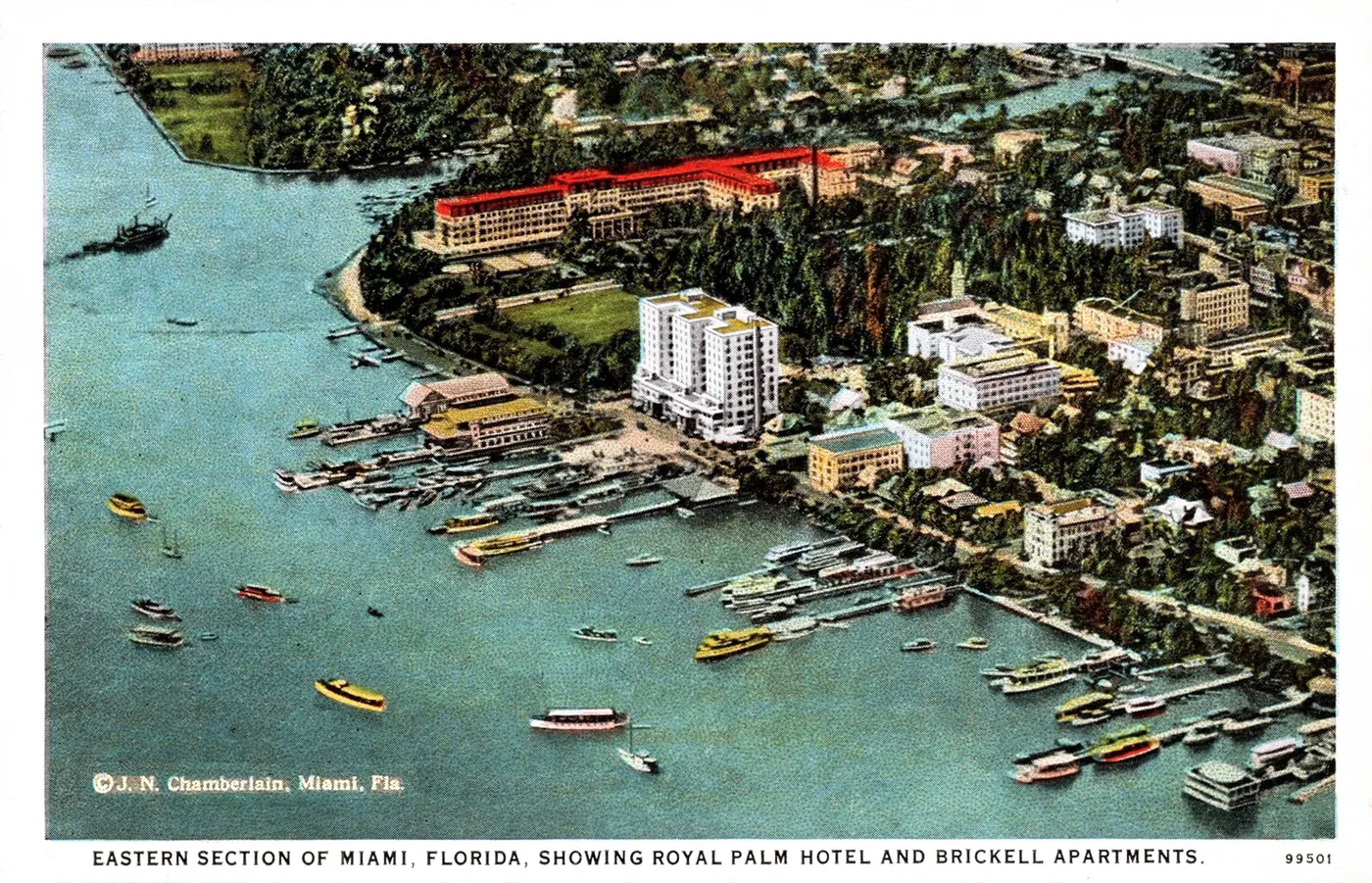
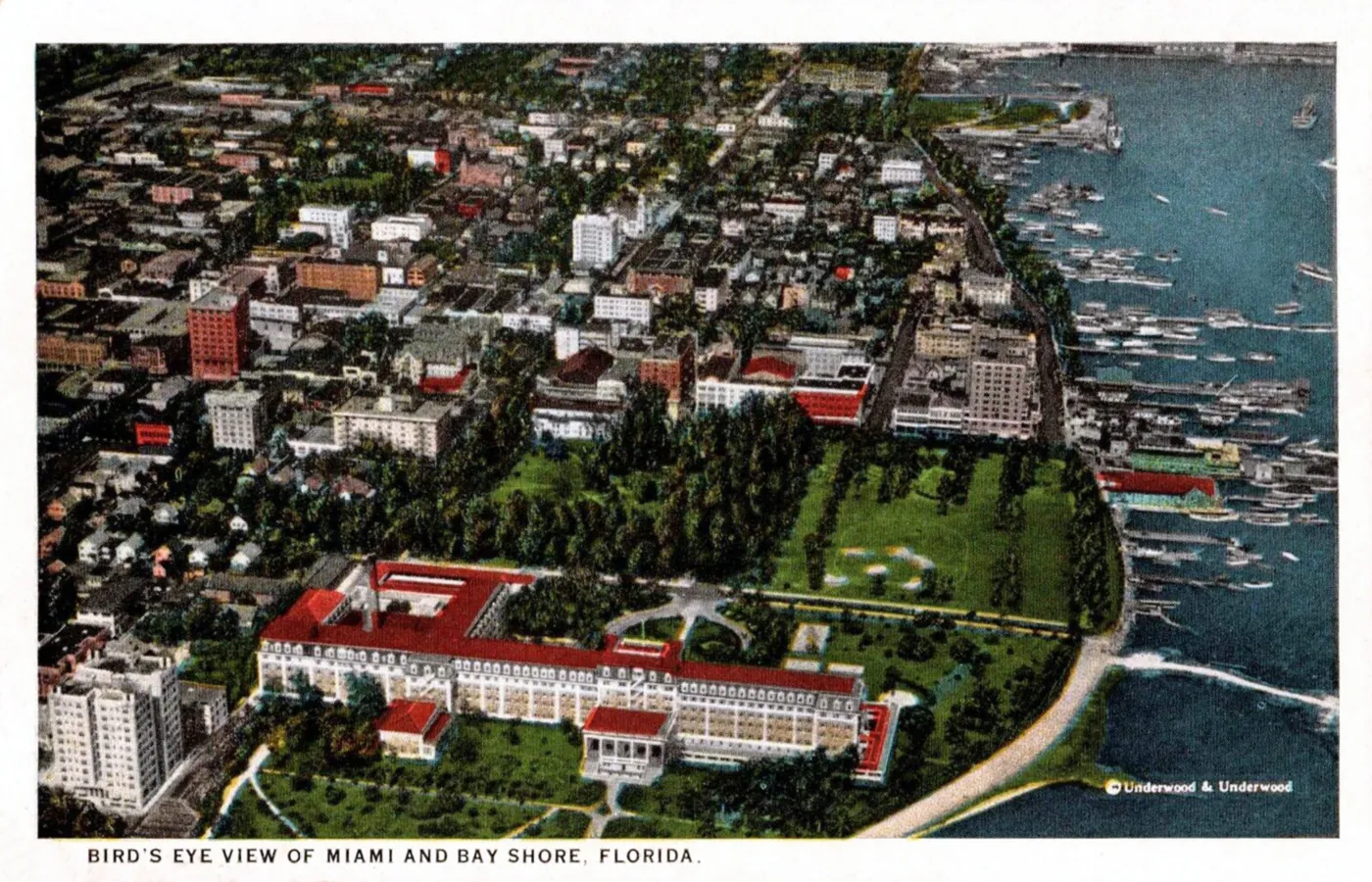
1908. A city being born.
Miami is incorporated. New residents and tourists begin arriving literally by the train load. The Royal Palm Hotel takes the Rockefellers, the Astors and the Vanderbilts. Everyone else needs somewhere to sleep.
Work begins on the Everglades drainage project, and a bridge and a short-lived trolley line are thrown across the Miami River at the foot of Flagler Street. For the first time, the land west of the river is worth building on.
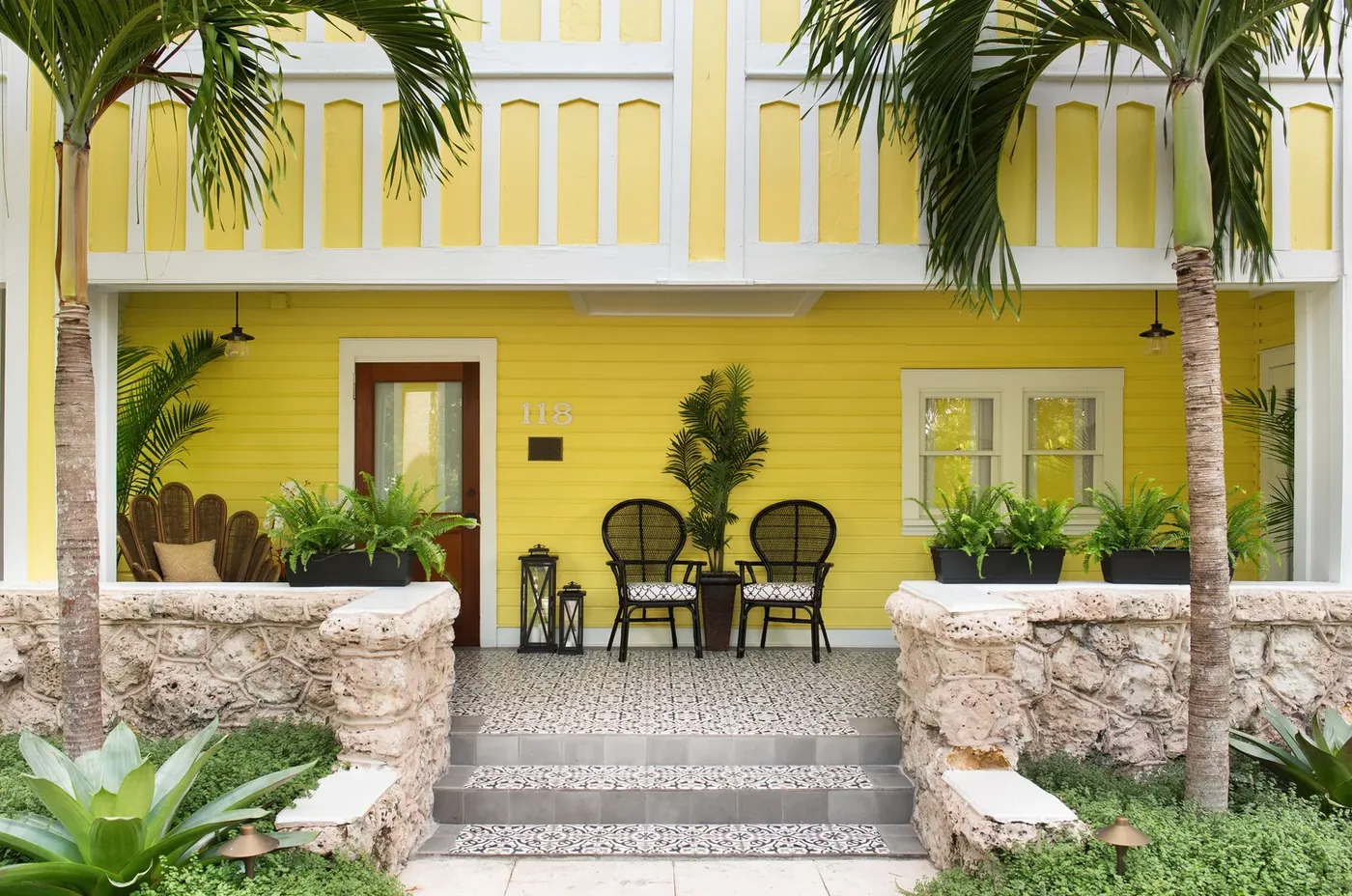
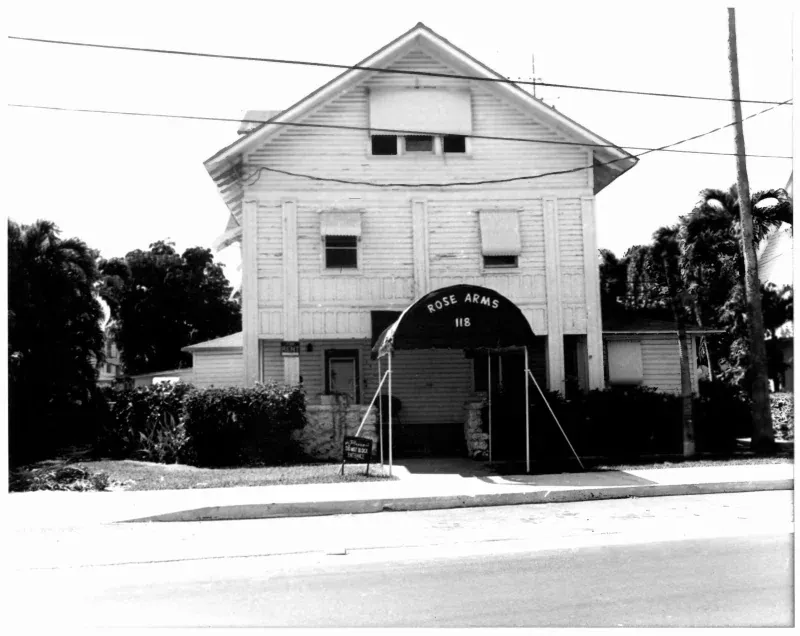
Shortly after the bridge, the first building in what is now the South River Drive Historic District is raised. The largest of them, at 118, is a rooming house called the Rose Arms - after Rose Baile, who owned it with her husband John. All six historic buildings are finished by about 1914.
These are working houses in a working neighbourhood - doctors, milliners, realtors, and a steady traffic of people who have just arrived and have not decided yet. A contemporary advertisement for a house like these offers "an ideal winter home for the tourist, an all-year hotel for the transient."
On the record · Designation report, p.4; Designation report, p.4; Designation report, pp.4-5; Designation report, pp.4-5
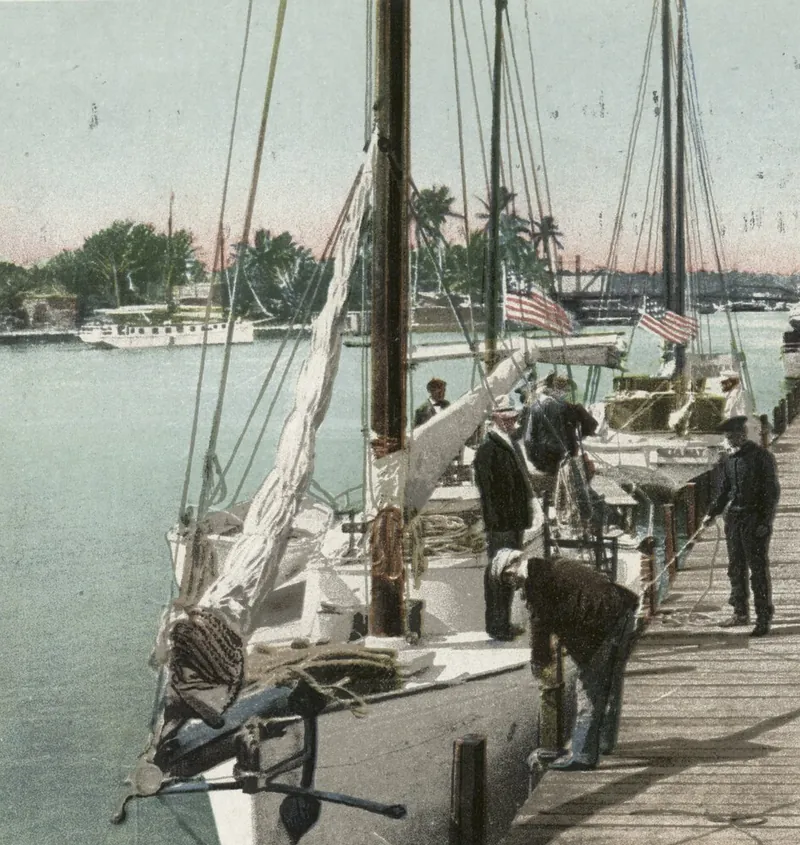
1920s. The river gets interesting.
Prohibition turns the Miami River into one of the busiest smuggling corridors in the country, and the riverfront around these houses gets rowdy. No record ties this property to any of it - but the boats went past the end of the street, and the neighbourhood knew.
Context - not a record of these houses · Neighbourhood context; not a property record
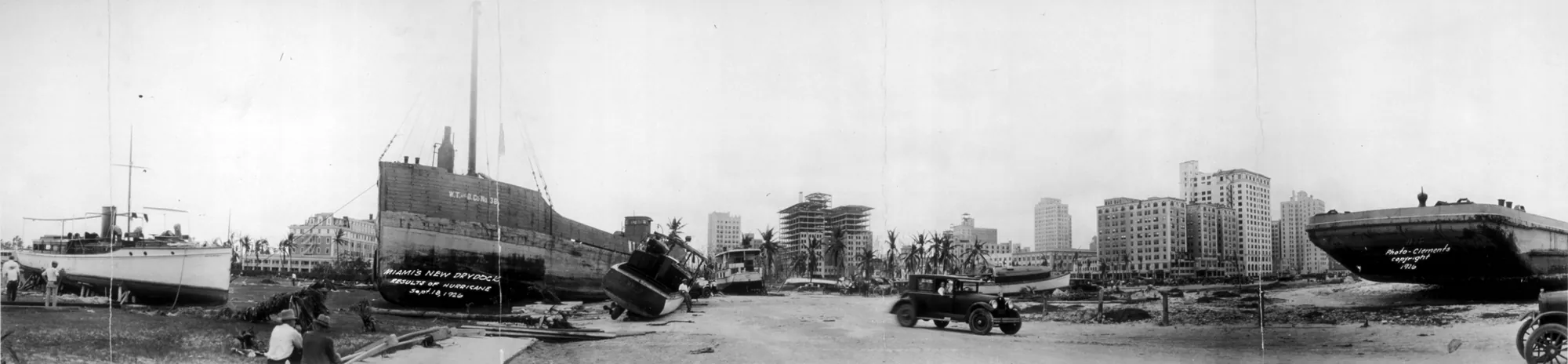
1926. Miami gets hit.
The storm flattens much of the young city. The frame houses on South River Drive - timber-framed, low to the ground, stubborn about it - are still standing a century later.
Context - not a record of these houses · City-wide event; no property damage record found
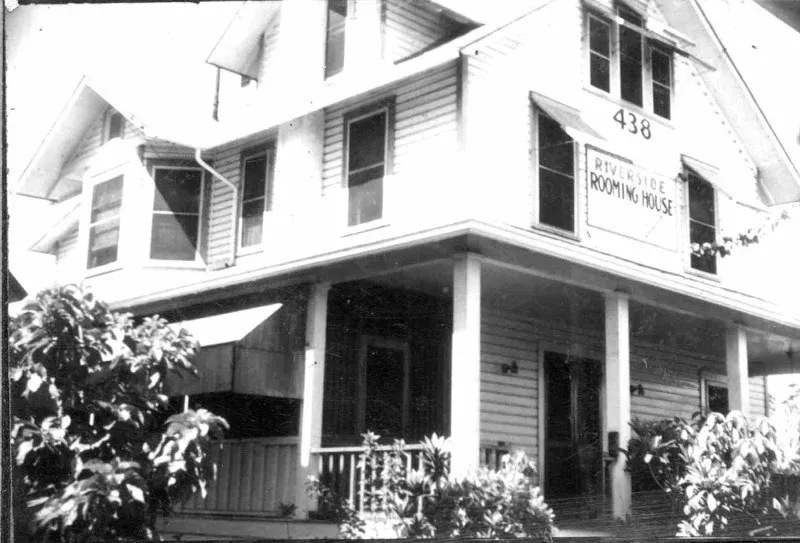
1987. Someone decides this place matters.
The City of Miami Planning Department recommends designation, finding that the district holds "the City’s oldest extant grouping of frame vernacular buildings in such close proximity to the Miami River." The Heritage Conservation Board accepts the report on 30 September 1986. On 10 August 1987 the district is listed on the National Register of Historic Places.
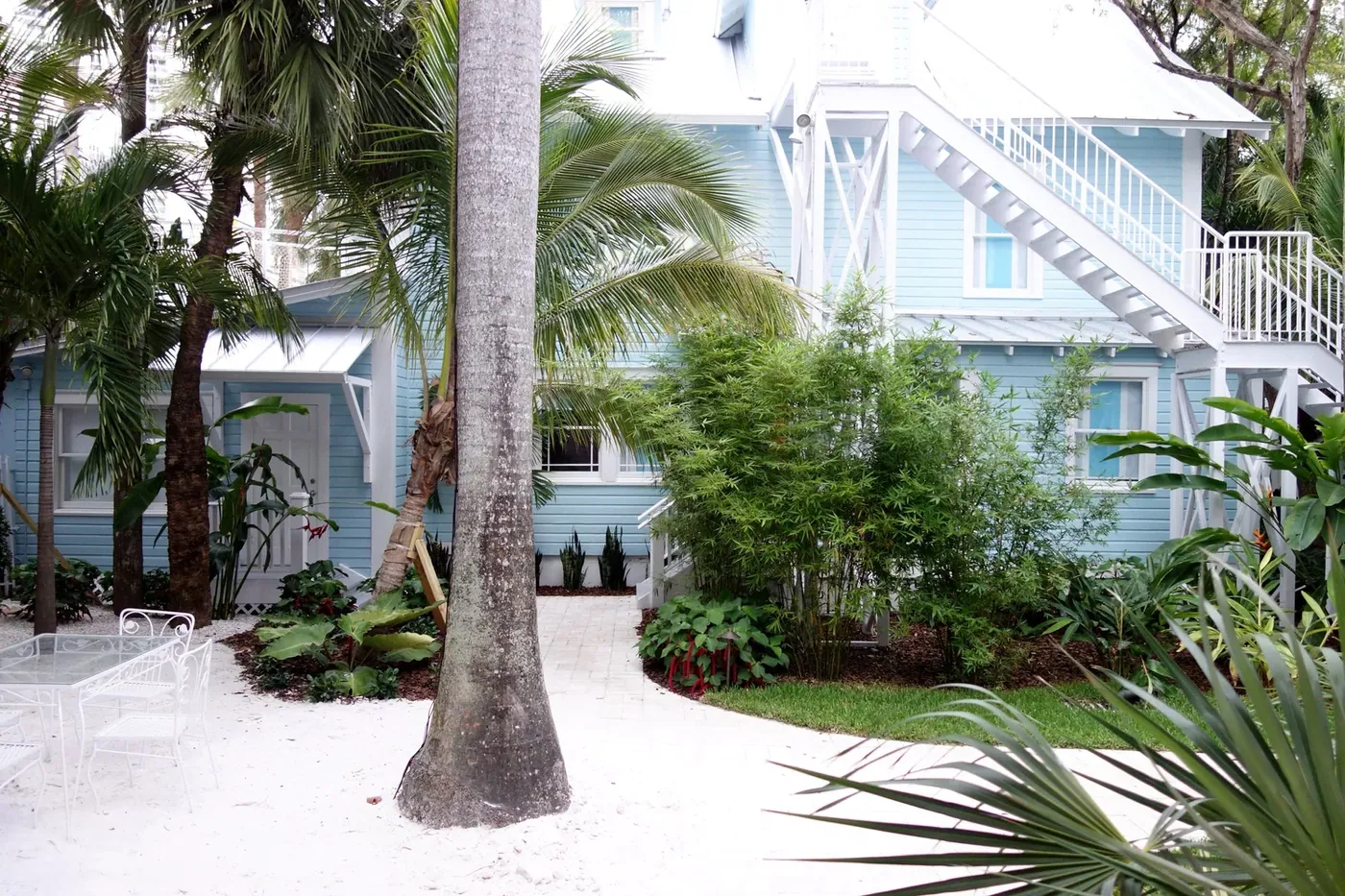
Preservationist Sallye Jude buys the building in 1984, when it is termite-ridden, cut into 21 narrow rooms with a single bathroom, and renting by the week. Six years and about $3.5 million later - floors, ceilings, wiring, plumbing, sprinklers - she opens it as the Miami River Inn, and buys the neighbouring houses to make a compound of four.
On the record · Designation report cover + NRHP ref. 87000671; National Trust for Historic Preservation
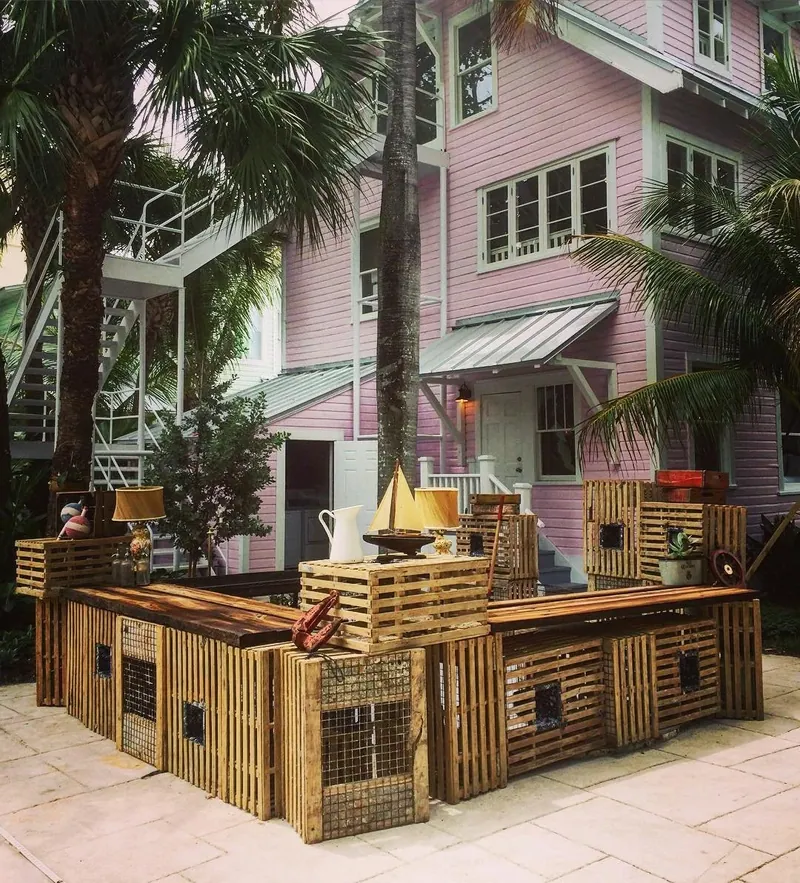
2015–17. The houses are brought back.
Developer Avra Jain and the Vagabond Group buy the property for $8.6 million and take it back to the bones: mould, roofs, termites, then interiors, paint and landscape. All 176 windows are removed and rebuilt by a historic window specialist to run on their original weight-and-pulley system.
On the record · The Real Deal, Apr 2015; Miami New Times; property record
How they were brought back
01
The bones first
Mold remediation, new roofing systems and termite control came before a single decorative decision. The delicate wood siding was repaired; the durable Dade County pine floors were revived.
02
Windows, one at a time
All 176 windows were removed and restored by a historic window expert so they would function as originally intended - on a weight-and-pulley system rather than a modern replacement sash.
03
The river and the neighbourhood, in the details
Hardware, furnishings and metal stairways speak to the industrial working river. Porous coral rock and Spanish tile pay homage to Little Havana. Refurbished antique masterpieces were reupholstered rather than replaced.
04
A striped awning in an old photograph
The window shade design came from research into the neighbourhood: a historic photograph of the pink house with striped awnings inspired the grey, white and colour stripe pattern used throughout.
05
Local hands
A priority for the development group was keeping on the housekeeping and maintenance employees who live in the neighbourhood. Talent for the project was locally sourced.
06
Working with the city
The team worked closely with the City of Miami Historic Preservation office and the Miami Dade Heritage Trust to keep the restoration genuine.
Then → now
Drag across. See what was kept.
2026. The next chapter begins.
New hands, new energy, same soul. The houses become Miami 1908, and River House opens the garden to the city.
On the record · Property
Today
118 years later, the gate is still open.
- New hands.
- New energy.
- Same soul.
The register · 1908 → 2026 → next
The inn was not built for the famous. It was built for the arriving.
While the Royal Palm Hotel took the Rockefellers, the Astors, the Vanderbilts and visiting European royalty, the houses on this side of the river took everybody else - the people who had just got off the train and had not worked out yet whether they were staying.
The designation report keeps their names. They are not famous. That is the point.
The great names stopped across the water. Everyone else stopped here.
The register is still open. Your name could be next.
- First ownersJohn C. and Rose BaileThey ran the largest rooming house on the street and named it the Rose Arms, after her.118 S.W. South River Drive118 S.W. South River Drive
- c. 1913William C. EberwineA milliner at the Chaffin Millinery Shop, later secretary and treasurer of the Southern Feed Company.First resident, 437 S.W. 2nd StreetFirst resident, 437 S.W. 2nd Street
- c. 1914Charles and Isabella GibbonsThey took on three of the neighbouring houses as the block filled up.OwnersOwners
- 1915Dr James C. and Josephine SmithA physician and his wife. Their house was later known as the New Jersey Guest House.438 S.W. 1st Street438 S.W. 1st Street
- Next
Try it - nothing here is sent anywhere.
Sign it for real (opens in a new tab)Names from the City of Miami designation report for the South River Drive Historic District, 1986.
A living history.
The history of Miami 1908 isn’t something we need to dress up.
- It’s in the floors.
- The porches.
- The trees.
- The houses.
- The way the property sits within the city.
The best stories are the ones you discover yourself - one old photograph, one architectural detail, one conversation at a time.
Sources
- 1City of Miami Planning Department, report to the Heritage Conservation Board on the South River Drive Historic District, 1986
- 2National Register of Historic Places, reference 87000671, listed 10 August 1987
- 3National Trust for Historic Preservation, “Off Miami’s Beaten Path”
- 4The Real Deal, April 2015; Miami New Times
- 5Restoration record courtesy of Roam and Andrew Litsch
Recognition
- ULI Vision Awards - Project of the Year, 2017
- Dade Heritage Trust - Preservation Awards, 2017
- Written about in Miami Herald, Miami New Times, The New Tropic
Some places are better in real life
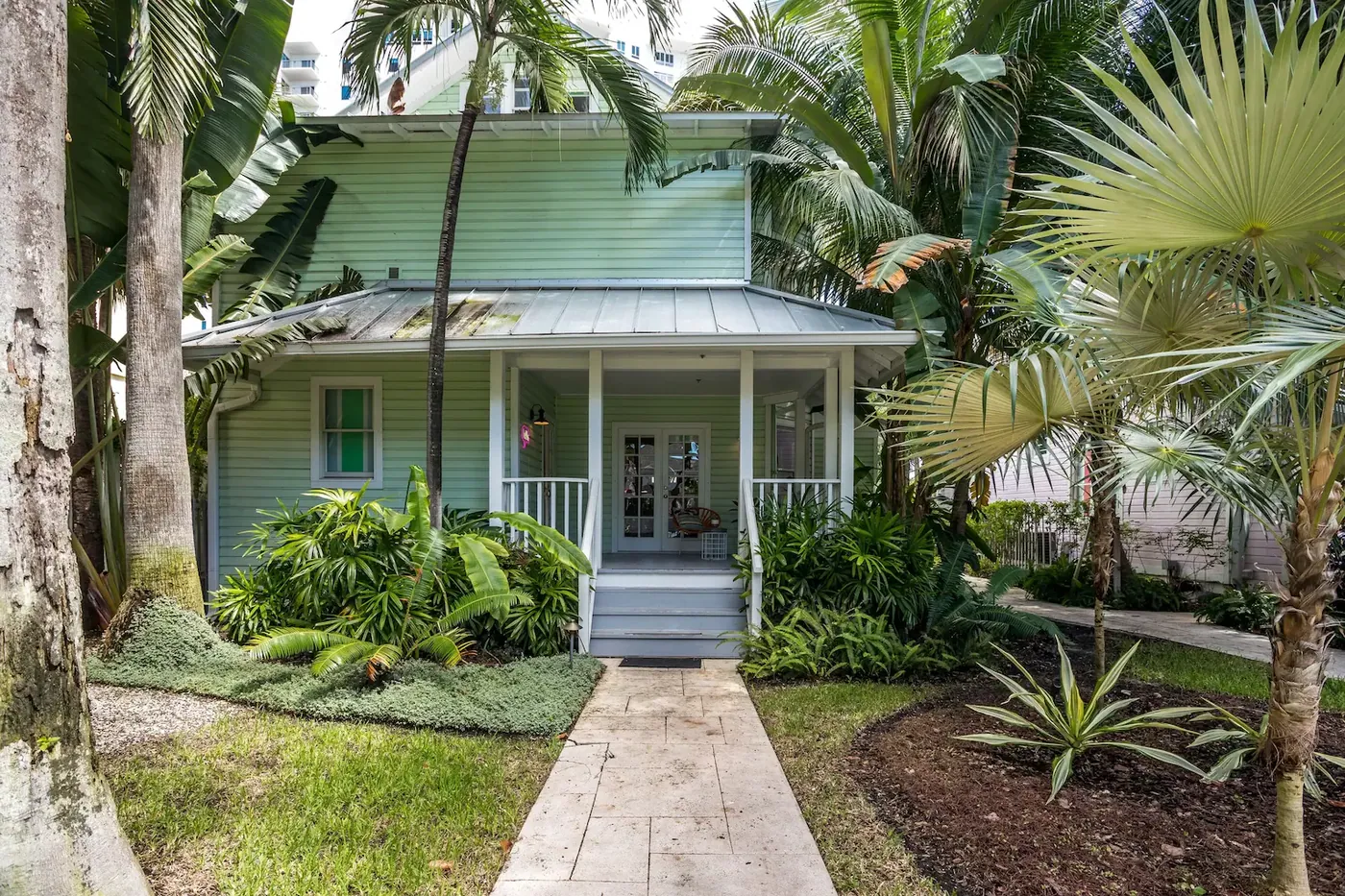
Not a museum. Not a recreation. A living place with a long memory and a new energy.
Preservation doesn’t mean standing still. The property has survived because people cared enough to carry it forward. Miami 1908 is the next chapter.